
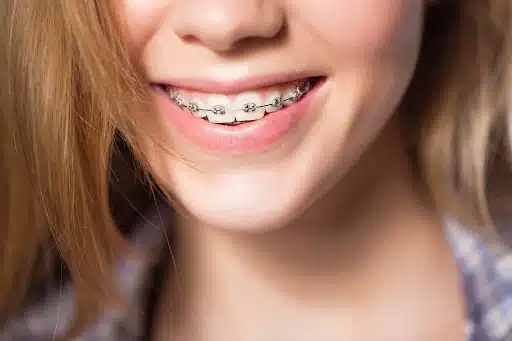
For many teenagers, adjusting to orthodontic treatment coincides with balancing school schedules, sports practices, and time with friends. The teen braces lifestyle can feel unfamiliar at first, especially during the first few weeks of treatment. Brackets and wires may cause minor soreness, and daily habits such as eating, brushing, and speaking in class may require minor adjustments.
Teenagers often worry about how braces will affect their appearance or how classmates might react. These concerns are normal. Most teens quickly realize that braces are common among their peers, and many students are going through the same experience. With the right habits, braces become just another part of daily life rather than something that controls it.
Adjusting to Braces for Teens During School Days
The first few weeks after getting braces can feel different during a normal school routine. Teeth may feel sore after adjustments, and brackets can rub against the inside of the cheeks. These small challenges usually fade as the mouth adapts, but it helps for students to prepare before the school day begins.
Many students find that staying organized makes braces much easier to manage at school. A few simple habits can prevent discomfort and protect orthodontic appliances throughout the day. Common strategies include:

- Keeping orthodontic wax in a backpack or locker in case a bracket irritates.
- Bring a small travel toothbrush to clean teeth after lunch.
- Choose softer snacks that will not damage brackets or wires.
Over time, braces for teens become easier to handle during busy school schedules. With the right habits and a little preparation, most students continue their normal routines without major interruptions to their classes, lunch breaks, or after-school activities.
Playing Sports Safely While Living With Braces as a Teenager
Sports are an important part of many teens’ lives, and orthodontic treatment should not stop them from staying active. Students who participate in school athletics, club teams, or recreational sports can continue training and competing while wearing braces. The key is taking a few precautions that protect both the teeth and the orthodontic appliances.
Living with braces as a teenager often means paying closer attention to mouth protection during physical activity. A properly fitted orthodontic mouthguard creates a protective barrier between the braces and the inside of the lips and cheeks. This simple piece of equipment helps prevent cuts, irritation, and damage to brackets if contact occurs during play.
Teens who play sports can reduce the risk of injury by following a few important habits:
- Wear an orthodontic mouthguard during practices and games
- Avoid chewing on mouthguards or sports equipment
- Inform coaches or trainers about braces if playing contact sports
- Replace damaged mouthguards promptly
Staying active supports both physical health and confidence. With the right protection and a little awareness, teens can continue enjoying their favorite sports while maintaining steady progress in orthodontic treatment.
Eating Smart at School and Social Events With Braces
Food choices can make a big difference during orthodontic treatment. Some foods place extra pressure on brackets and wires, which can lead to broken appliances or discomfort. Teens who understand which foods are safer for braces usually experience fewer problems during school lunches or social gatherings.
At school, simple choices help protect braces. Softer foods such as yogurt, pasta, rice, soft fruits, and sandwiches cut into smaller pieces are easier to eat and less likely to damage brackets. Crunchy snacks like hard chips or raw carrots can still be enjoyed if they are cut into small pieces and chewed carefully with the back teeth.
Social events like birthday parties, school celebrations, or team gatherings can also require a little extra awareness. Sticky candy, hard sweets, and chewing gum are more likely to cause issues with braces. When teens learn to choose foods carefully, they can still enjoy meals and social time without worrying about damaging their orthodontic appliances.
Daily Tips for Teens With Braces to Stay Comfortable and Confident
Orthodontic treatment works best when teens build consistent daily habits. Braces place steady pressure on teeth to guide them into better alignment. Simple routines help protect the brackets and wires while keeping the teeth and gums healthy during treatment.
Many orthodontists share practical tips for teens with braces that make everyday care easier. Small habits can reduce discomfort and prevent common problems like broken brackets or trapped food around the wires. These simple steps can make a noticeable difference during treatment.
- Brush teeth after meals to remove food around brackets and wires
- Floss carefully each day to keep gums healthy
- Use orthodontic wax to reduce irritation inside the cheeks
- Carry a small braces care kit when leaving home
These routines quickly become part of normal daily life. When teens stay consistent with cleaning and protecting their braces, they often experience fewer problems and maintain steady progress throughout their orthodontic treatment.
Balancing School, Friends, and Activities With a Teen Braces Lifestyle

Orthodontic treatment becomes easier when teens build routines that fit their normal schedules. Classes, homework, sports, and social plans can continue without major disruption. The teen braces lifestyle often feels unfamiliar at first, but most students adjust quickly once they understand how to manage daily habits.
Confidence plays a big role in the experience. Some teens feel self-conscious about smiling or speaking during the early weeks of treatment. Those concerns usually fade as they notice that many classmates also have braces or aligners. As teeth begin to improve, many teens start feeling more comfortable showing their smiles in photos and conversations.
Staying organized helps keep orthodontic care simple. Packing a toothbrush for school, protecting braces during sports, and choosing foods carefully at social events all help reduce problems. When teens build these small habits, braces become part of normal life instead of something that interrupts school, friendships, or activities.
Frequently Asked Questions About Teen Orthodontic Care
Do braces affect how teens speak at school?
Some teens notice slight changes in speech during the first few days after getting braces. Most adjust quickly as the tongue adapts to the brackets and wires.
Can teens still play musical instruments with braces?
Yes, many teens continue playing instruments during orthodontic treatment. It may take a short adjustment period, especially for wind or brass instruments.
How long do most teens need to wear braces?
Treatment time varies depending on the alignment issues being corrected. Many teens wear braces for between 12 and 24 months.
What should teens do if a bracket breaks during school?
If a bracket breaks, the student should avoid touching or pulling on the wire. They should contact their orthodontist so the office can schedule a repair appointment.
Smile With Confidence at Carroll Orthodontics
We are proud to help families throughout Columbia, Chapin, and nearby communities achieve healthier, more confident smiles. Our team is led by Dr. Marshall Carroll, one of South Carolina’s leading Invisalign orthodontists, known for combining experience with modern orthodontic technology. Our practice was also voted Best Orthodontist by Irmo-Chapin Life Magazine in 2025, a recognition that reflects the trust our patients place in us.
At Carroll Orthodontics, we provide braces and Invisalign for children, teens, and adults, along with early orthodontic evaluations starting at age seven. New patients can schedule a free consultation that includes a complimentary smile assessment with digital X-rays and a complete smile analysis.
If your teen is starting orthodontic treatment or you want to learn more about their options, contact our Columbia or Chapin office today to schedule a consultation.