

Braces can feel like a big deal at first, especially for teens who are already thinking about school, sports, photos, and fitting in. In real life, though, orthodontic treatment usually becomes part of the routine faster than expected. With the right plan and the right support, braces or Invisalign can fit into teenage life without taking it over.
That matters because the teen years are often a strong time to start treatment. As the jaws and teeth continue developing, orthodontic care can guide alignment more effectively and help address issues like crowding, bite problems, and spacing before they become harder to manage. At Carroll Orthodontics, orthodontics for teens is built around confidence, comfort, and daily life, not just the mechanics of straightening teeth.
Do braces really affect a teen’s social life that much?
Usually, not for long.
Most teens worry about the same things in the beginning. Will braces look awkward? Will people notice them right away? Will they feel different in class, with friends, or in photos? Those concerns are normal, but the adjustment period is often shorter than expected. Once the first few days pass, most teens settle in and go back to focusing on the things they were already doing.
That is also why treatment options matter. Some teens do well with fixed braces because they are reliable and always working. Others like the lower-profile look of clear aligners. The best choice is not about what sounds easiest in theory. It is about what fits the smile, the routine, and the level of responsibility a teen can handle.
School life usually adjusts faster than teens expect
The first week is often the part teens remember most. Teeth may feel sore after braces are placed or adjusted, and speaking can feel slightly different for a short time. That early phase can make treatment seem bigger than it really is.
Once that adjustment passes, school life usually returns to normal. Teens still go to class, give presentations, laugh with friends, and keep up with their normal routines. The main difference is usually just becoming more aware of oral hygiene, food choices, and keeping appointments on schedule.
A few small habits can make school days smoother:
- keep a travel toothbrush, toothpaste, and floss picks in a backpack
- avoid hard, sticky snacks if wearing braces
- drink water often, especially after lunch
- use orthodontic wax if a bracket or wire feels irritating
- keep aligners in their case instead of wrapping them in a napkin
These are not major lifestyle changes. They are simple adjustments that quickly become second nature.
Sports and braces can absolutely work together

Teens do not have to step away from sports because of orthodontic treatment. They just need to protect their teeth and appliances the right way.
For teens in contact or high-impact sports, a properly fitted mouthguard matters. That becomes even more important during orthodontic treatment, since braces can also increase the chance of cuts or damage during impact.
That means braces and sports are not a bad combination. They just require one more piece of equipment and a little more planning. For active teens, that is usually a very manageable tradeoff.
Photos, events, and everyday confidence do not have to suffer
This is often the real concern, even when teens do not say it directly.
School pictures, dances, group photos, parties, and everyday social moments can make braces feel more visible than they really are. But what tends to happen is that teens get used to them, their friends get used to them, and the attention fades quickly. Braces stop feeling like the center of everything once they become part of normal life.
Treatment can also be more discreet than many families expect. Modern braces are smaller than older designs, and some teens may be candidates for Invisalign treatment if that fits their needs and habits. There is no single path for every smile. What matters is finding the option that fits the case and the lifestyle best.
Braces do change a few day-to-day habits, but not life itself
The smoother treatment goes, the more it feels like part of the routine instead of an interruption.
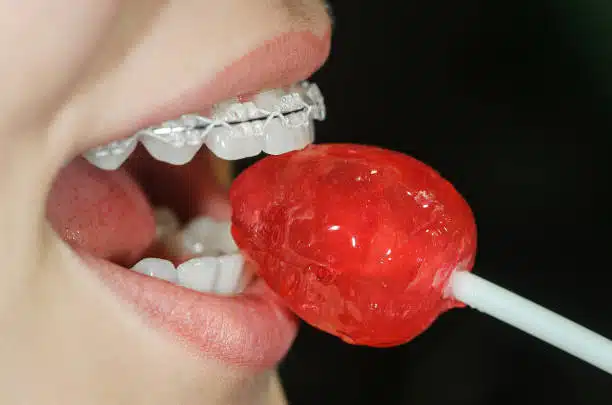
For teens with braces, that usually means being more careful with foods that can bend wires or break brackets. Hard candy, popcorn kernels, sticky candy, and chewing ice are common troublemakers. Brushing also needs more attention, since cleaning around brackets takes a little longer.
For teens with aligners, the challenge is different. The trays need to be worn consistently and kept in place for the recommended hours each day. They also need to come out before meals and go back in afterward. That freedom is helpful for many teens, but it also comes with more responsibility.
Neither option is automatically easier for every person. One may fit better depending on the teen’s schedule, habits, treatment needs, and priorities.
What helps orthodontics fit into teen life more smoothly?
Usually, it comes down to planning and attitude.
Treatment tends to feel more manageable when teens know what to expect from the start. It also helps when parents support the process without making it feel bigger or more dramatic than it is. A calm, practical approach often works best.
A few things make a real difference:
- choosing a treatment option that fits the teen’s routine
- planning ahead for meals, sports, and school days
- keeping regular appointments
- handling small discomforts early instead of letting them build
- focusing on progress rather than the temporary adjustment period
That is one reason personalized treatment planning matters so much. Families often feel more confident once they understand the full range of options, and the types of treatment involved.
Parents can help by keeping the tone steady
Teens usually take their cue from the people around them.
If braces are framed like a disaster, they are more likely to feel like one. If treatment is handled like a normal step toward a healthier, more confident smile, teens usually adapt with far less stress. That does not mean brushing off their concerns. It just means responding in a way that is reassuring and practical.
Sometimes the best support is simple:
- acknowledge that the adjustment is real
- help with supplies and routines
- remind without nagging
- keep the focus on long-term progress
- let the teen take ownership where they can
The goal is not to make orthodontics the center of a teen’s identity. It is to help it fit into life and keep moving.
Orthodontics for teens can fit in more smoothly than most families expect
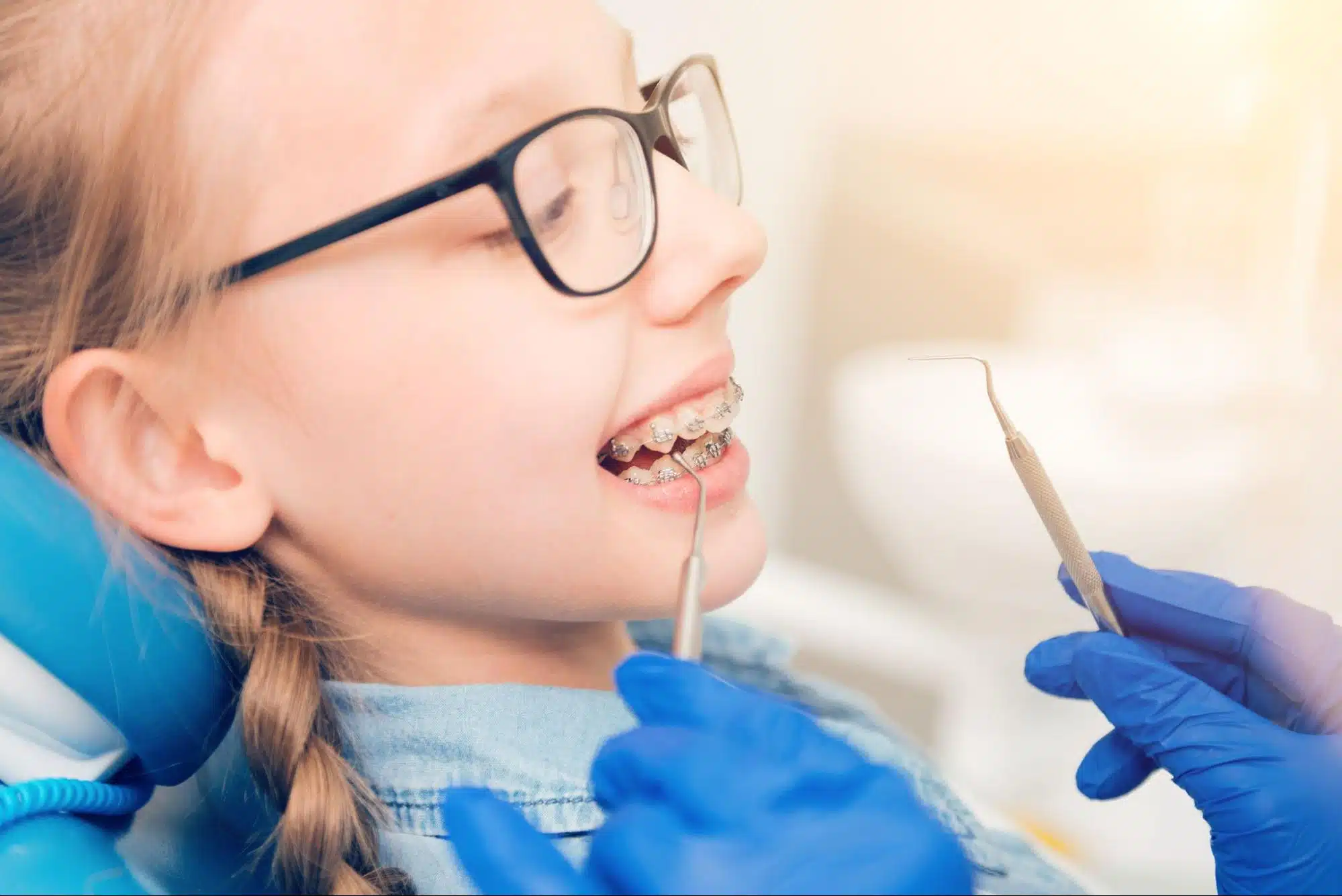
Braces and teen life do not have to compete with each other. School, sports, photos, social events, and everyday routines can all continue with only a few practical changes. After the early adjustment period, treatment usually feels much more normal than families expected at the beginning.
At Carroll Orthodontics, the goal is to make treatment feel manageable from the start. Whether the better fit is braces, Invisalign treatment, or another option, the focus stays the same: creating a healthy, confident smile in a way that works for real life. Families who are ready to move forward can request an appointment with Dr. Marshall Carroll, DMD, or call (803) 694-7848 to connect with the Columbia or Chapin office.
FAQs
Can teens wear braces while playing an instrument?
Yes, but there may be a short adjustment period. Teens who play brass or woodwind instruments often need a little time to get used to the feel of braces, but most adapt and continue playing normally.
What foods are hardest for teens to manage with braces?
Sticky candy, hard snacks, popcorn kernels, chewing ice, and foods that put too much pressure on brackets tend to cause the most trouble. Choosing softer, braces-friendly foods helps make daily life much easier.
What happens if a teen breaks a bracket before a scheduled appointment?
A broken bracket usually is not an emergency, but it should not be ignored. It is best to call the orthodontic office so the issue can be checked and the next step can be decided before it starts affecting treatment progress.
Can teens switch from braces to Invisalign during treatment?
In some cases, yes, but it depends on the treatment goals, how the teeth are moving, and whether aligners are a good fit for the rest of the case. That decision has to be based on what will still deliver the right result.
How can parents help teens stay consistent with orthodontic care?
The most helpful approach is usually simple support: keeping supplies on hand, encouraging good habits, helping them stay on top of appointments, and making treatment feel normal instead of stressful.
Do teens need a special cleaning routine during orthodontic treatment?
Yes. Braces usually require more careful brushing and cleaning around brackets and wires, while aligners require consistent cleaning of both the trays and the teeth before putting them back in.
Is orthodontic treatment harder for very busy teens?
Not necessarily. Busy teens can do very well with treatment when the plan fits their routine and they understand what is expected. The key is choosing an option they can realistically manage.