
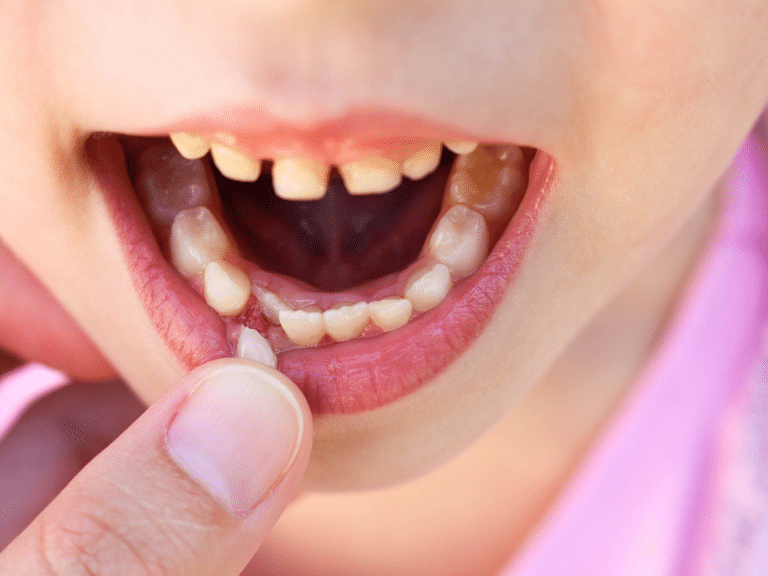
Parents often notice small changes in their child’s smile long before adult teeth appear. Spacing shifts, uneven bites, or habits like mouth breathing can raise some questions. Baby teeth orthodontic development plays a real role in how the jaws grow, how teeth make contact, and how future alignment unfolds.
This guide explains how early dental growth influences orthodontic outcomes and why paying attention sooner can support healthier smiles later.
Why Early Orthodontic Signs Matter During Childhood
Baby teeth hold space for adult teeth and help guide jaw growth during key developmental years. When they erupt, shift, or are lost too early, they can change how the mouth develops. These changes may affect spacing, chewing patterns, and how the upper and lower teeth meet over time.
Some early orthodontic signs can appear subtle at first and are easy to miss without guidance. These may include crowding, uneven wear, or difficulty closing the mouth comfortably. In one sentence, recognizing early orthodontic signs allows orthodontists to track growth patterns and spot concerns before they become harder to manage.
Early awareness does not always mean treatment starts right away. In many cases, it simply means monitoring growth and keeping a closer eye on changes as permanent teeth arrive. This approach supports healthier development while giving families clear insight into what to expect as their child grows.
How Baby Teeth Influence Jaw Growth and Spacing
Baby teeth do more than support chewing and clear speech. They play a direct role in how the jaw develops and how space is preserved for adult teeth. Each tooth helps maintain structure across the dental arch during important growth years.
When baby teeth are lost too early or shift out of position, nearby teeth may move into open spaces. This can reduce the room for permanent teeth and affect how they erupt later on. Jaw growth may also become uneven if the bite does not meet properly over time. 
Several factors linked to baby teeth can influence spacing and jaw balance:
- The timing of when baby teeth fall out
- How well teeth maintain their position in the arch
- The way the upper and lower teeth come together during chewing
Healthy spacing and balanced contact between teeth support stable development. Monitoring these patterns early helps orthodontists track growth, identify concerns, and decide if guidance may be helpful as a child’s smile continues to change.
Understanding Children’s Bite Development Over Time
A child’s bite changes as baby teeth fall out and permanent teeth come in. These shifts are part of normal growth, but the way the upper and lower teeth meet can affect comfort, function, and future alignment. Small imbalances can influence chewing and jaw movement as kids grow.
In one sentence, children’s bite development reflects how teeth, jaws, and muscles work together during key growth stages. Common bite patterns that orthodontists watch for include:
- Crossbites, where teeth do not line up side to side
- Open bites where front teeth do not touch
- Deep bites where the upper teeth cover too much of the lower teeth
Not every bite concern needs immediate care. Tracking changes over time helps determine if growth is staying on a healthy path or if guidance could prevent larger issues later.
When Monitoring Is Enough and When Early Care Helps
Not every concern needs treatment right away. In many cases, watching growth over time gives clear answers without adding stress for families. Regular checkups help confirm that teeth are erupting in a healthy pattern. 
Some situations benefit from early guidance. These may include ongoing crowding, jaw imbalance, or bite issues that affect comfort. Addressing these concerns earlier can support more stable development as adult teeth come in.
The goal is balance, not speed. Monitoring keeps options open, while early care is used only when it supports healthier long-term outcomes for a child’s smile.
Common Questions Parents Have About Early Orthodontic Care
1. At what age should an orthodontic evaluation happen?
Most orthodontists recommend an initial evaluation around age seven. This timing allows growth patterns to be reviewed while many baby teeth are still present.
2. Can habits affect dental development in children?
Yes, habits like thumb sucking or prolonged pacifier use can influence tooth position and jaw growth. The impact depends on how often and how long the habit continues.
3. Do all children with baby tooth issues need braces later?
No, early concerns do not always lead to braces. Some issues resolve naturally with growth, while others benefit from simple monitoring.
4. Can early evaluations prevent future orthodontic problems?
Early evaluations help identify growth patterns that may need attention. While they do not guarantee prevention, they can reduce the severity of some issues.
5. Is early orthodontic care the same as full braces?
Early care often focuses on guidance rather than full treatment. It may involve observation or simple steps to support healthy growth.
6. What signs suggest my child’s bite should be checked sooner?
Difficulty chewing, uneven wear on teeth, or frequent mouth breathing can signal a concern. An evaluation can clarify if these signs are part of normal development or need attention.
7. Why do orthodontists still monitor baby teeth if they eventually fall out?
Baby teeth provide important information about spacing, bite alignment, and jaw growth. Monitoring them helps orthodontists understand how a child’s smile is developing before permanent teeth arrive.
Supporting Healthy Smiles Early at Carroll Orthodontics
At Carroll Orthodontics, we believe early awareness plays an important role in long-term orthodontic health. Serving families throughout Columbia, SC, and nearby communities, we focus on how early dental growth supports comfort, function, and confidence as children develop. Baby teeth help guide jaw growth and spacing, and paying attention early allows us to support natural, balanced smiles as permanent teeth come in.
Led by Dr. Carroll, our team provides early evaluations alongside orthodontic care for children, teens, and adults. We look beyond straight teeth and focus on bite balance, smile shape, and long-term stability.
If you have questions about your child’s smile or want a professional perspective on their dental growth, we invite you to schedule a free consultation and speak with our team.